


Washington is pressing Israel to move toward ending the fighting in Gaza, Lebanon and against Iran, Israel’s Channel 13 reported on Sunday, August 9, as Prime Minister Benjamin Netanyahu rejects several conditions backed by the U.S. administration.
During a visit to Israel on Saturday, U.S. Central Command chief Admiral Brad Cooper conveyed a message calling for progress toward “closing three fronts,” according to political sources cited by Channel 13 and carried on Monday by the Palestinian daily Al-Quds.
Gaza, the first point of rupture
In Gaza, the disagreement is now out in the open. Netanyahu said on Sunday that Israel rejected the 15-point roadmap backed by the U.S.-led “Board of Peace” and would not withdraw its forces before Hamas was fully disarmed.
“Israel does not accept the 15-point document,” Netanyahu said. The Israeli military “will not carry out any withdrawal until Hamas is disarmed,” he added, insisting that this must include heavy and light weapons alike.
According to Al-Quds, Hamas on Sunday reaffirmed its commitment to the roadmap negotiated with mediators in Cairo and called on Washington to press Israel to ensure its implementation.
Economic pressure on Iran
On Iran, Donald Trump is now prioritising economic pressure over an immediate resumption of major military operations. “We are low-keying it,” he told Axios on Sunday, after having been close just a week earlier to ordering a return to major combat operations.
The U.S. president believes Tehran is already severely weakened economically. In the same interview, he pointed to soaring inflation, a lack of cash and said Iran did not have enough money to pay its troops. Trump also said the U.S. naval blockade had deepened the country’s economic crisis.
Senior U.S. officials interviewed by Axios in late July were already defending that approach, arguing that sanctions and the blockade could ultimately hurt the Iranian government more than air strikes. U.S. intelligence had picked up signs that Iran was struggling to pay fighters, while officials also cited the risk of bank runs and gasoline shortages. One official said Tehran was “more scared of Treasury than the War Department.”
Meanwhile, Iran and Oman are finalising an arrangement aimed at restoring navigation through the Strait of Hormuz.
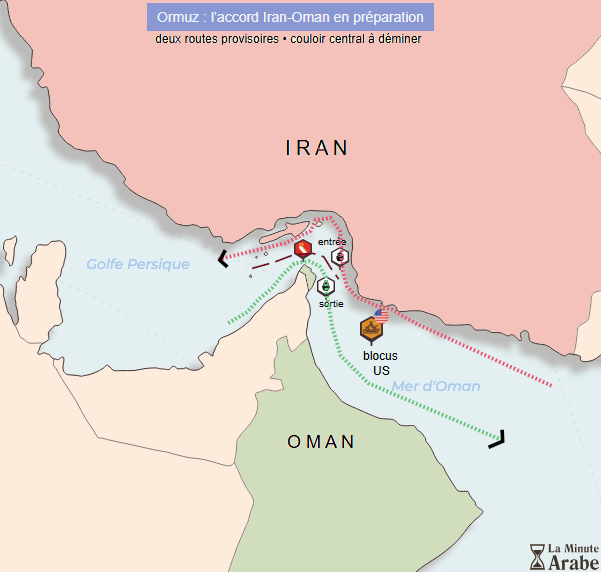
Tehran has made a full reopening conditional on several U.S. concessions, including the lifting of sanctions, the release of frozen Iranian assets and an end to the U.S. naval blockade, Reuters reported. Washington and Tehran are not holding direct talks but are exchanging messages through intermediaries.
Pressure on Lebanon
In Lebanon, U.S. pressure is focused more directly on the ground. According to Channel 13, Cooper called during his visit to Israel for progress toward further Israeli withdrawals from southern Lebanon.
U.S.-mediated negotiations have already led to the launch of the first “pilot zones” in July, under which Israeli forces withdraw to allow the Lebanese army to deploy and dismantle Hezbollah’s military infrastructure.
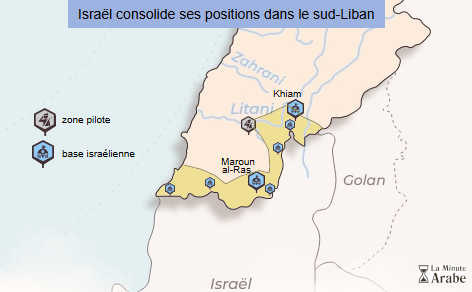
A new round of talks in Rome from August 4 to 6 ended without progress on further withdrawals, amid disagreements over the areas concerned and the mechanisms for overseeing the process.
Israel, however, is tying any further pullback to guarantees over Hezbollah’s disarmament and wants to retain a security zone as well as the ability to intervene in response to threats from the Iran-backed movement. Israeli leaders have repeatedly said that further withdrawals depend on Hezbollah being disarmed.